

No story, no telling, no problem.
Are we using “storytelling” as a substitute for meaning?
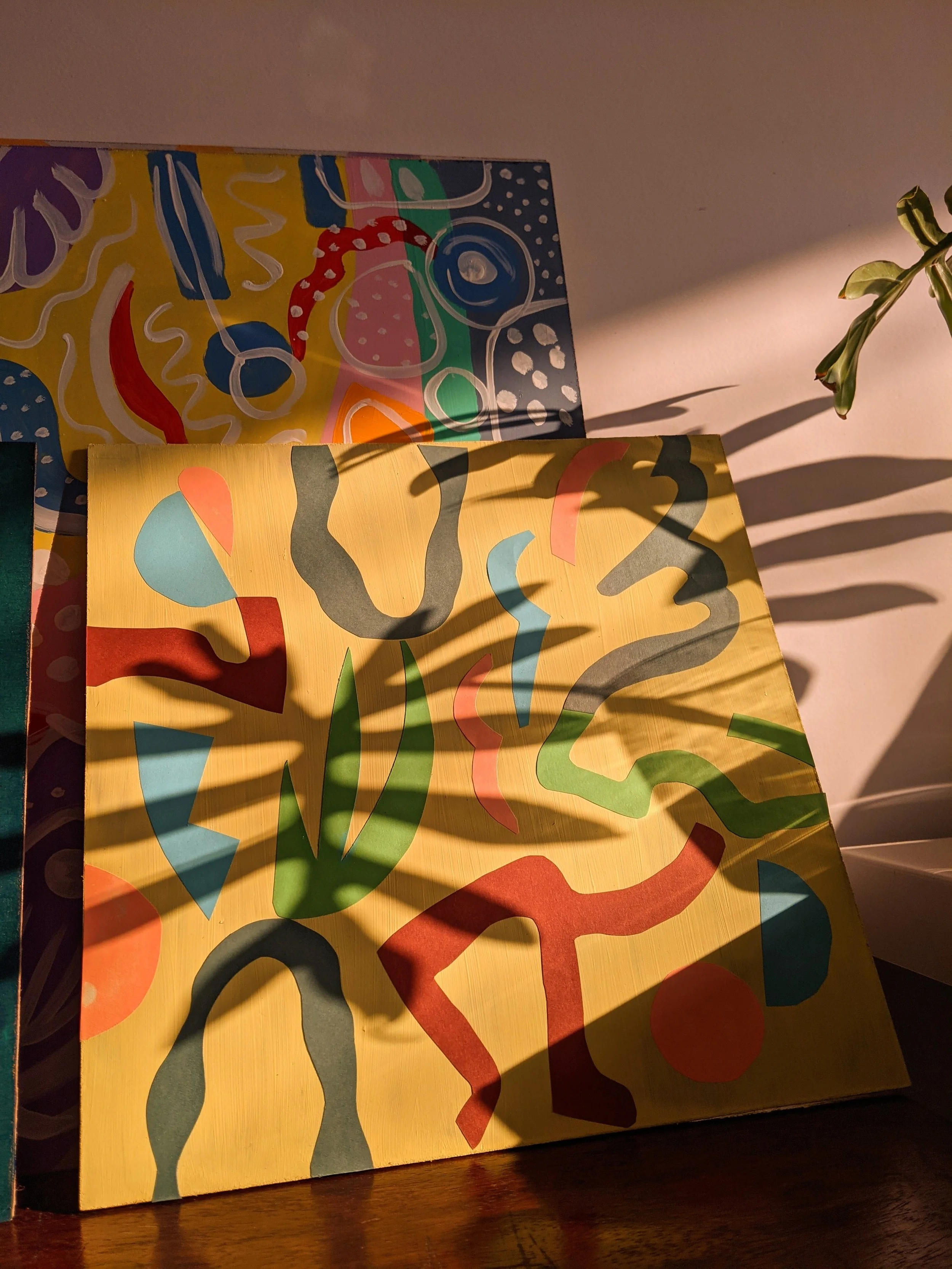
Growing up, stories were special. They had plots, characters, suspense, humour, and fantasy. They drew you in and stayed with you until the very end. They were passed down through generations, heard at bedtime or on long car rides.
Now, story gets attached to everything—a lamp, a shoe, a lip balm, a pop-up event. The word is used so casually that it almost feels like a substitute for meaning. At some point, it stops describing the work and starts functioning as a social signal, one that says, this is thoughtful, this is artistic, this is meaningful.
I often find myself returning to movements like Abstraction, Minimalism, Formalism, and Dada. They remind me that art doesn't always have to begin with a story. They were rooted in perception, process, material, and experience, opening up new ways of seeing instead of prescribing meaning.
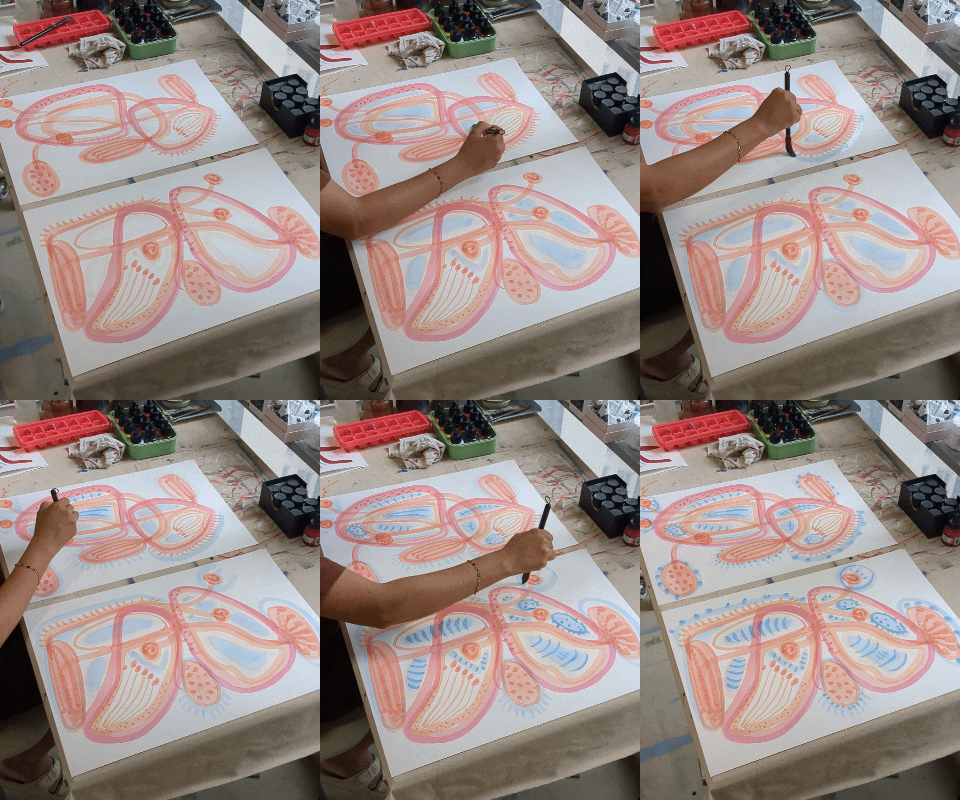
Has the word ‘story’ lost its innocence?
So, has the word story lost its innocence? Have we become obsessed with finding one in everything? Maybe the creative industries overcorrected. Somewhere along the way, storytelling began to sound more credible than saying, I made this because it felt right to my intuition.
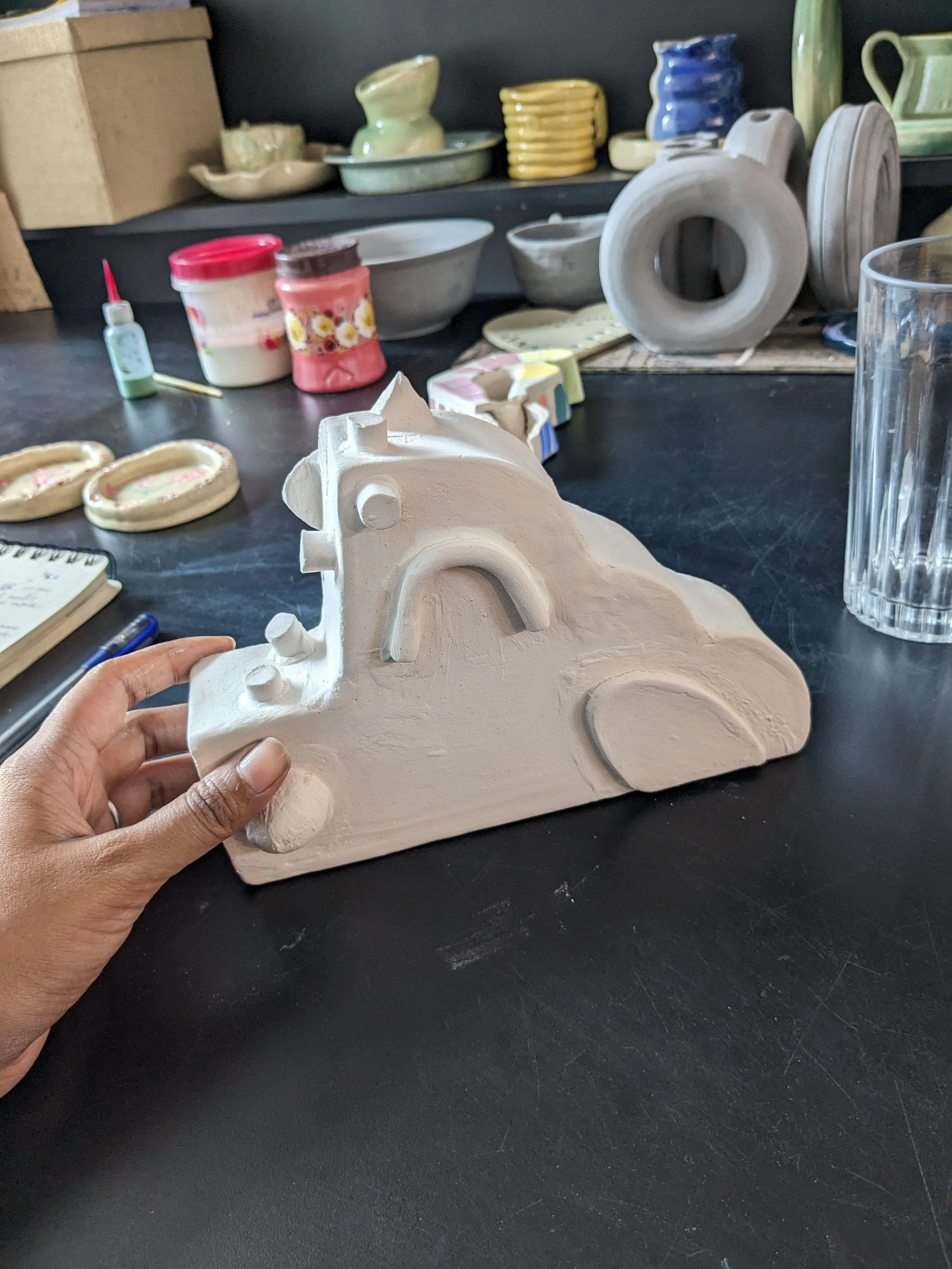
Ceramic sculpture in the making
There's experience through the five senses—something I believe needs awakening now more than ever. Not everything has to be understood through words.
There's emotion. Feelings that emerge, linger, and are sometimes impossible to explain.
There's tactility and interaction. The dialogue between us, the material, and the object.
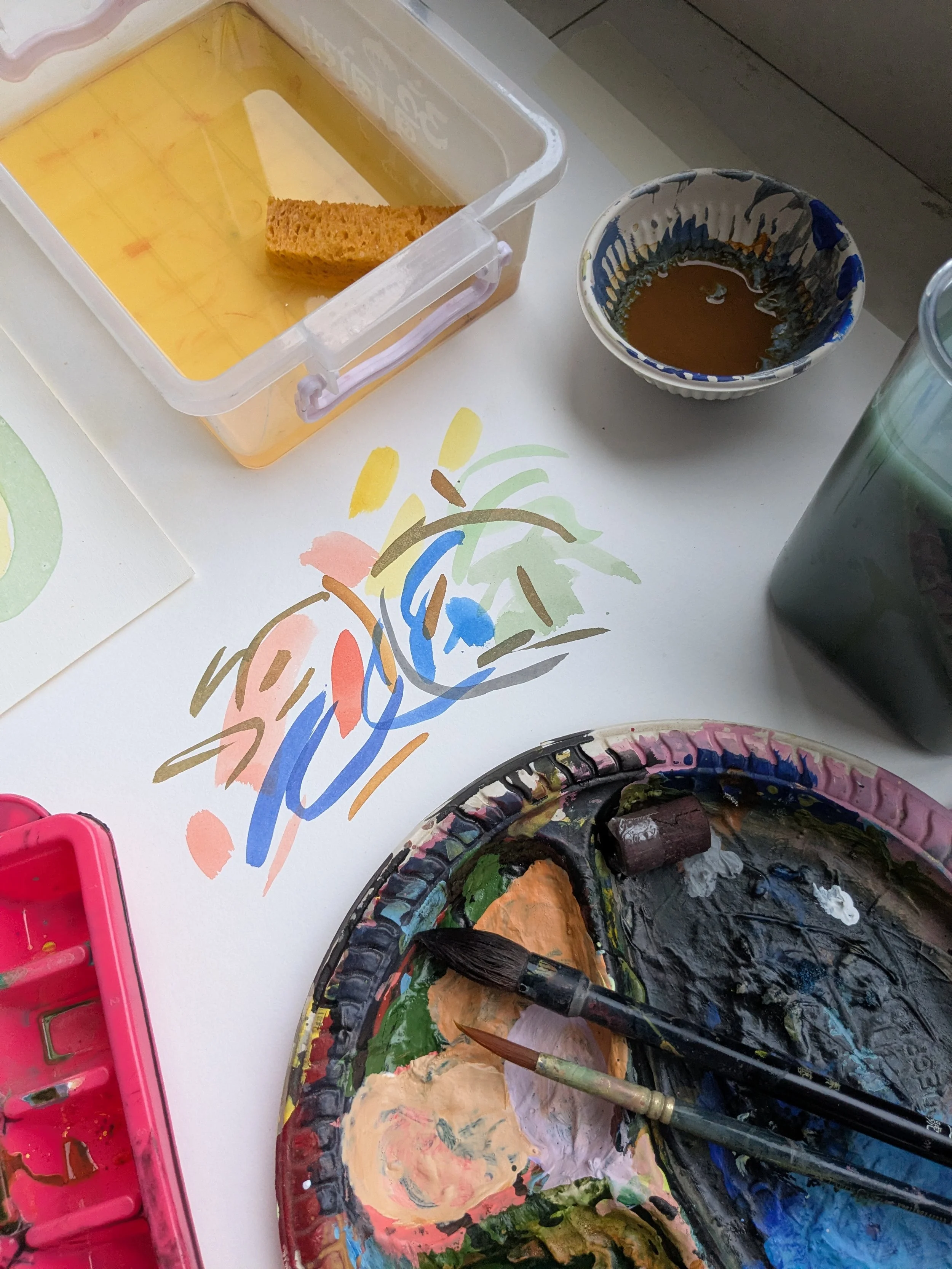
There's colour. A profound part of the human psyche. Colour alone can evoke emotion, trigger memory, create associations, shift mood, and shape perception.
There's form. Whether abstract or figurative, form has the power to make us pause, imagine, wonder, question, and innovate.
There's intuition. We rarely trust it enough, yet it often reveals more about who we are than any carefully written narrative.
And then there's ambiguity. It keeps us curious, offers questions instead of answers, invites multiple interpretations, and leaves room for unexpected connections.
So the next time the words story or storytelling are casually thrown around, I hope we pause for a moment and ask ourselves:
Is the work speaking for itself, or is the story speaking for the work?
And if there is a story, wouldn't it be far more rewarding to discover it ourselves than to have it handed to us?
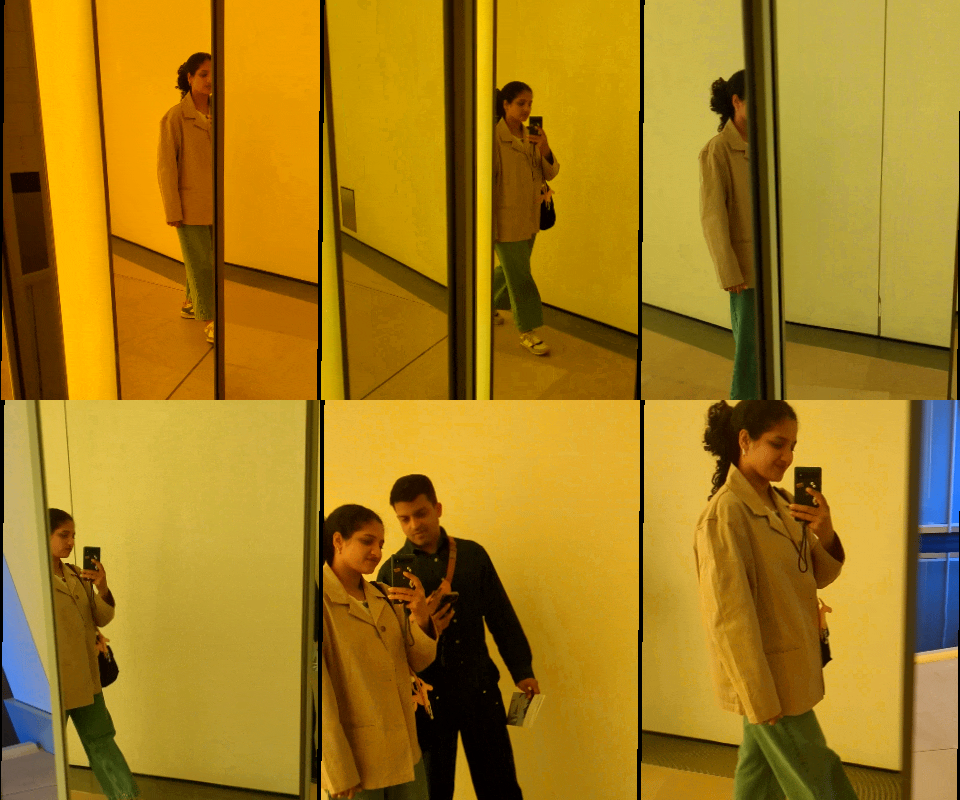
Inside the Horizon, by artist Olafur Eliasson
at the Fondation Louis Vuitton in Paris
